

National Volunteer Appreciation Week is April 19-25, and UGA Extension is ready to celebrate. Every year thousands of volunteers give of their time and talents in mission-critical program assistance. UGA Extension will feature volunteers through social media campaigns that showcase their service in action. In addition, special events will take place across the state in salute to their support of Family and Consumer Sciences, Master Gardener, and 4-H programming.
Family and Consumer Sciences Volunteers Multiply the Impact of Extension
Family and Consumer Sciences (FACS) volunteers are a strategic asset in extending both the reach and quality of Extension programming. Their involvement allows agents to scale services, deepen community engagement, and deliver more consistent, high-impact educational experiences.
This is most clearly demonstrated through the Volunteer Income Tax Assistance (VITA) program. IRS-certified FACS volunteers are trained to work directly with clients to prepare income tax returns at no cost, removing financial barriers while building trust and credibility in the community. By integrating volunteers into program delivery, one county expanded its VITA services from 56 clients in 2022 to more than 200 in 2026—nearly quadrupling its reach. In addition to increasing capacity, volunteers contribute specialized skills; for example, one volunteer completed 98 returns in a single season, including complex cases, highlighting both expertise and commitment.
Beyond VITA, volunteers enhance program delivery across a wide range of FACS initiatives. They are instrumental in facilitating Virtual Dementia Tours—assisting with setup, guiding participants through the simulation, and ensuring each session runs smoothly. Their support improves both program quality and participant experience while enabling agents to serve larger audiences.
Volunteers also play a critical role in youth and family programming. They serve as counselors and guides for Teen Maze, helping participants navigate real-life decision-making scenarios. In classroom-based programs like Independently Healthy, volunteers—often teachers—provide hands-on support, working alongside students and reinforcing key concepts. In partnership with 4-H, volunteers assist with cooking classes, offering instruction in meal preparation and food safety while helping maintain a safe, well-managed learning environment.
In many communities, volunteers extend programming beyond what agents could accomplish alone. They serve as substitute instructors for after-school programs, support job readiness initiatives through mock interviews, and assist with food demonstrations by preparing ingredients, serving participants, and modeling learned skills. Youth volunteers, such as 4-H Food Project participants, gain leadership experience while reinforcing their own knowledge by assisting with these demonstrations.
Volunteers are equally valuable in outreach and program logistics. They support event coordination by managing registration, distributing materials, assisting with childcare, and overseeing activity flow during events like community baby showers and poverty simulations. They help expand program visibility by sharing marketing materials, distributing educational resources at community events such as produce markets, and promoting programs through social media and local networks. Others contribute by organizing donations, assisting with recruitment for programs like EFNEP and ServSafe, and providing venues or sponsorships through community partnerships.
Additionally, volunteers strengthen program infrastructure. Program Development Team members assist with participant recruitment, community outreach, and program implementation, while community partners help host events, provide meals, and connect Extension programs to broader audiences. Their contributions ensure programs are not only delivered effectively, but also sustained and responsive to local needs.
Agents consistently note that volunteer engagement enhances both program efficiency and professional growth. Volunteers provide the additional capacity needed to manage large or complex programs while allowing agents to focus on leadership, strategic planning, and program expansion. As one agent shared, volunteers “help facilitate or lighten the load of behind-the-scenes preparation,” ultimately enabling Extension to “serve communities to the fullest.”
In summary, FACS volunteers multiply the impact of Extension work. Through direct service, instructional support, outreach, and logistical assistance, they enable programs to operate at a higher level of effectiveness and reach. Their contributions ensure that Extension programming is not only accessible, but also delivered with quality, efficiency, and meaningful community impact.
Master Gardeners Drive Horticulture Education
More than 2,000 active Master Gardener Extension Volunteers (MGEVs) expanded Agriculture and Natural Resources programs in their counties with core projects, such as garden problem-solving clinics, speaking engagements, classes, and garden tours. In 2025, MGEVs from across the state contributed 159,903 hours, at a value exceeding $5.5 million. These volunteers provided timely garden advice to 181,263 Extension clients, helping them to solve problems. In addition, these volunteers devoted more than 25,000 hours to advanced training and continuing education to keep their knowledge current and skills sharp.
Not only do MGEVs serve thousands of hours each year in support of their educational projects and spend hours in the classroom themselves, these dedicated volunteers remain active for many years. In recognition of Master Gardeners who have been active with the program for five or more years, 150 awards were presented in 2025, including 60 five-year, 46 10-year, 20 15-year, 15 20-year, 6 25-year, and 3 30+ year awards.
The Extension Master Gardener program was created in 1973 for the purpose of expanding Extension’s ability to provide consumer horticulture programming and help for residential gardeners. Master Gardeners write weekly newspaper columns, assist homeowners with horticulture questions, and organize educational events, develop demonstration gardens, and staff Ask-a-Master-Gardener booths at farmers markets throughout the growing season. The hours and services that these volunteers contribute in support of these projects enable Extension to share research-based knowledge in multiple ways, reaching many audiences. “These talented volunteers generously support gardening projects in their community so that we can share the benefits of plants and gardening with so many more people than we could without their help. Extension simply cannot do without Master Gardeners,” said Sheri Dorn, interim state Extension Master Gardener Volunteer coordinator. Volunteer Week celebrations will include a social media campaign showcasing key volunteers and their contributions to program areas and educational projects throughout the state.
Georgia 4-H Volunteers Expand Youth Extension Programming
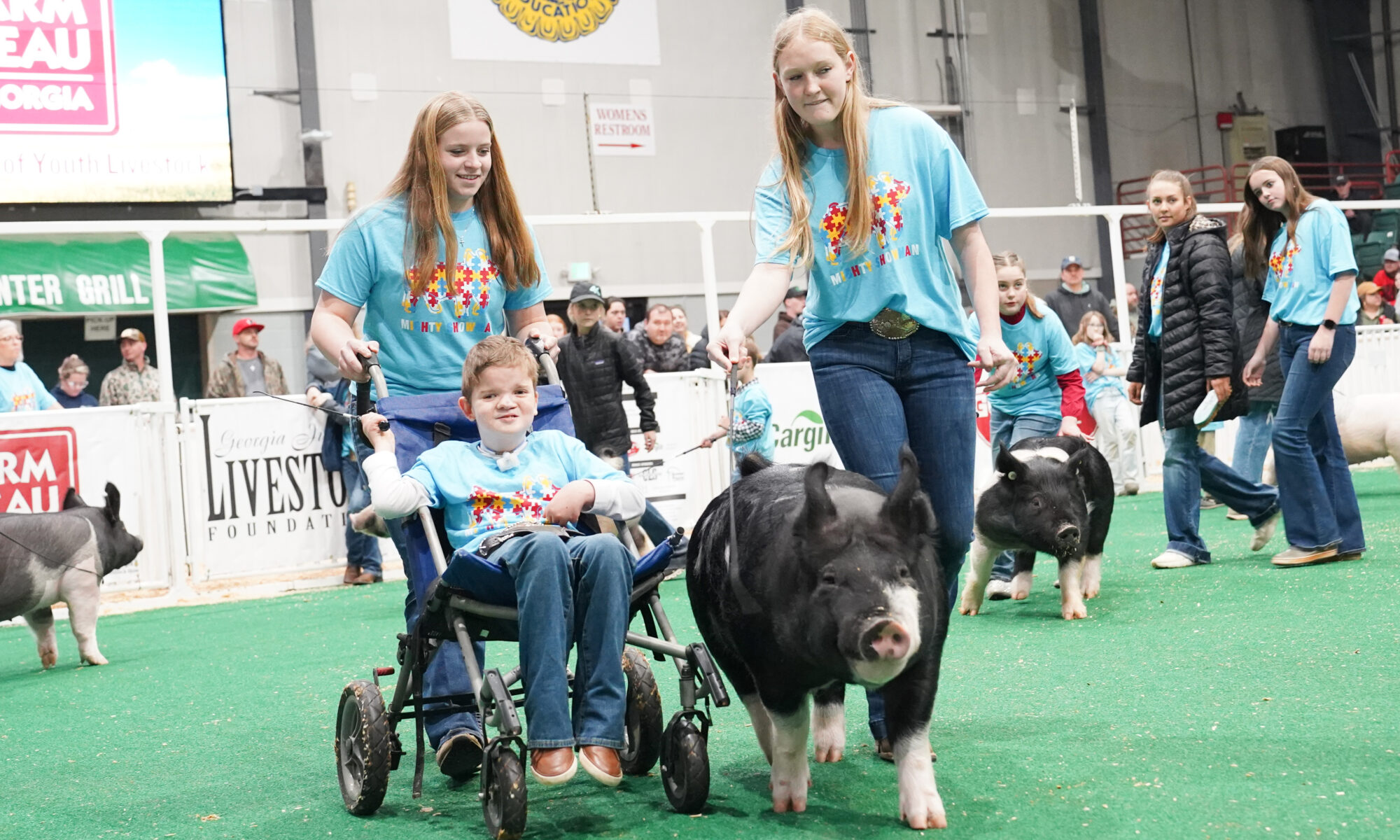
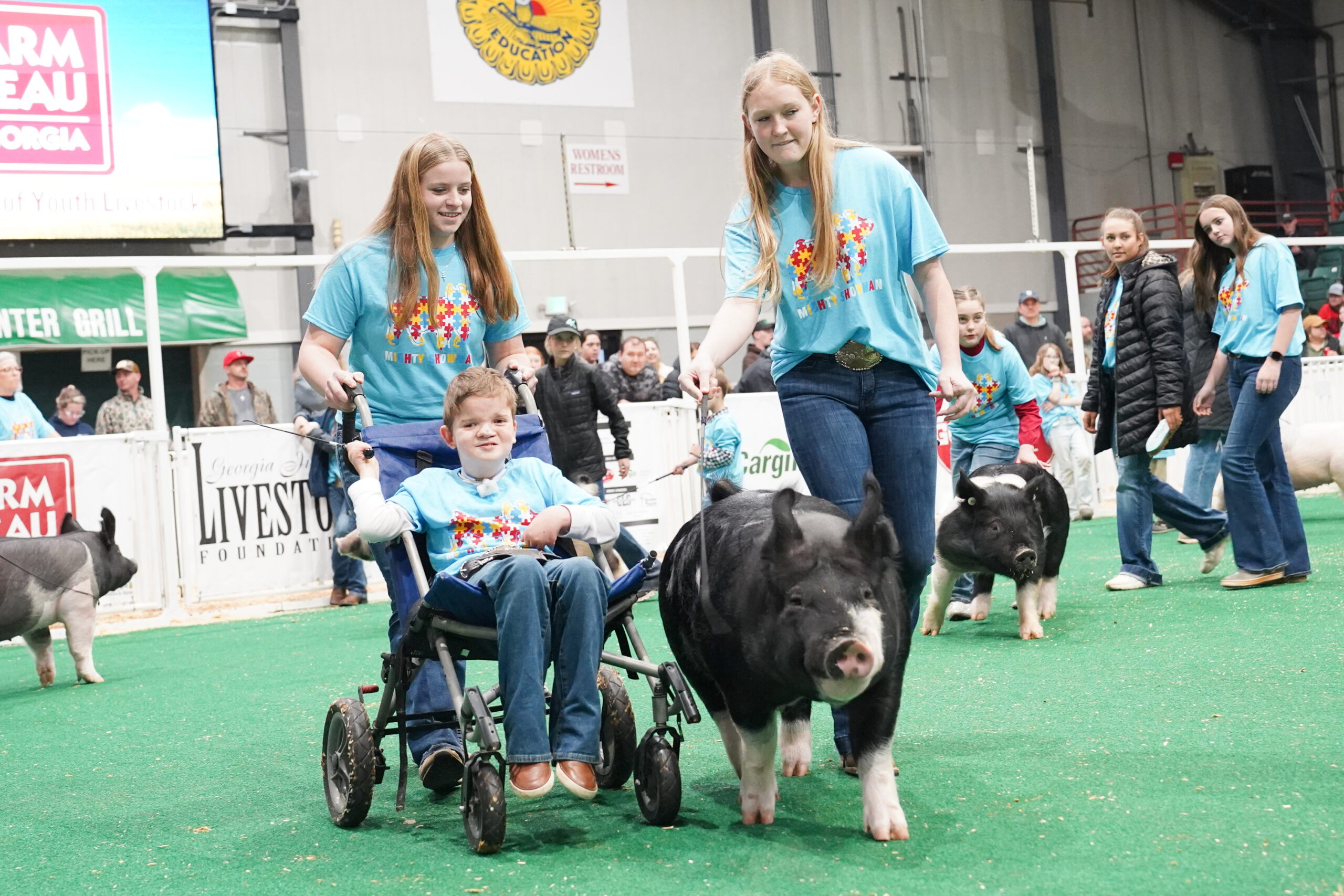
Georgia 4-H programming expanded additional opportunities for youth by serving 9,535 additional volunteer hours in 2025. More than 5,400 adult and 1,690 teen leaders dedicated 182,969 volunteer hours to serving Georgia 4-H programs during the 2024-25 program year. This service is the equivalent investment value of more than $6.3 million.
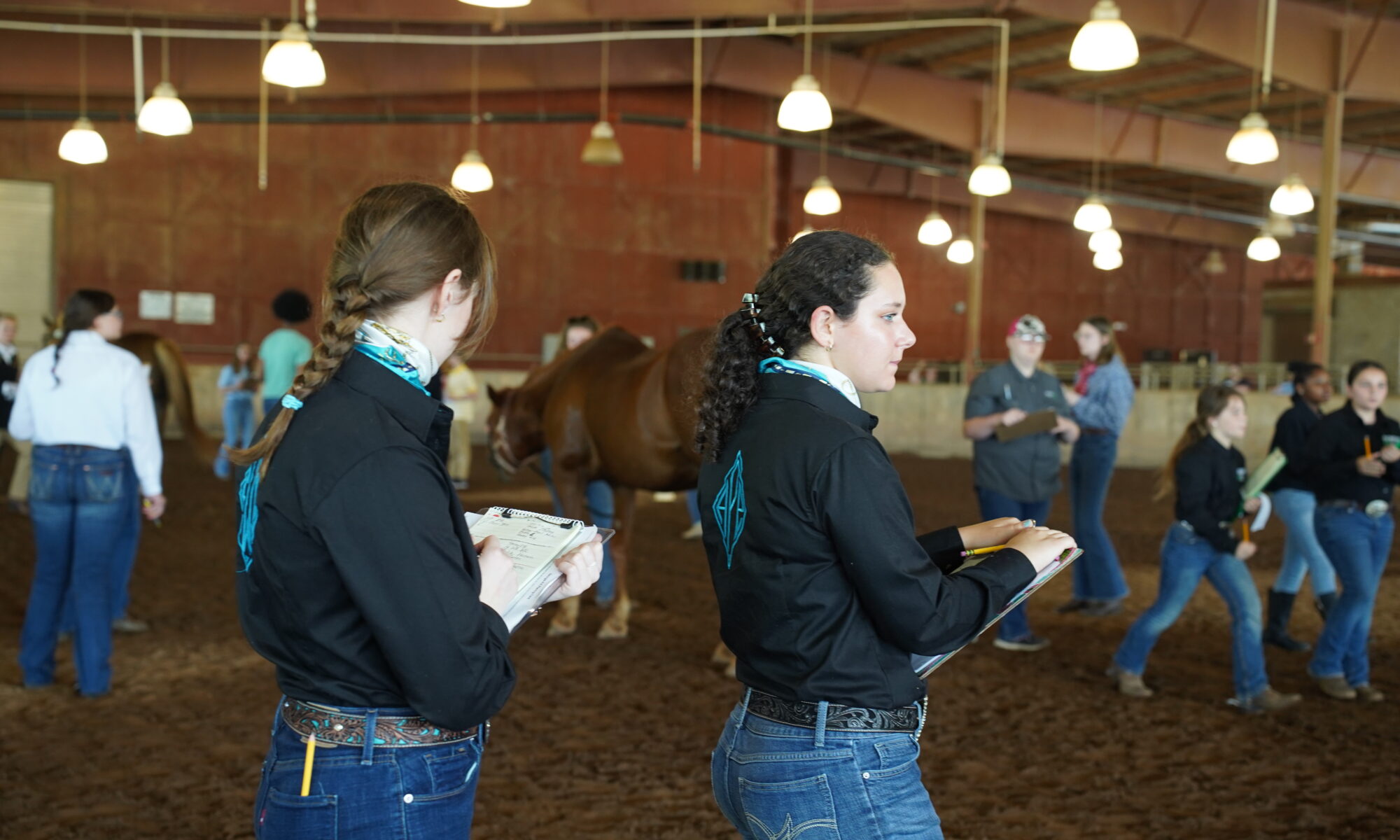
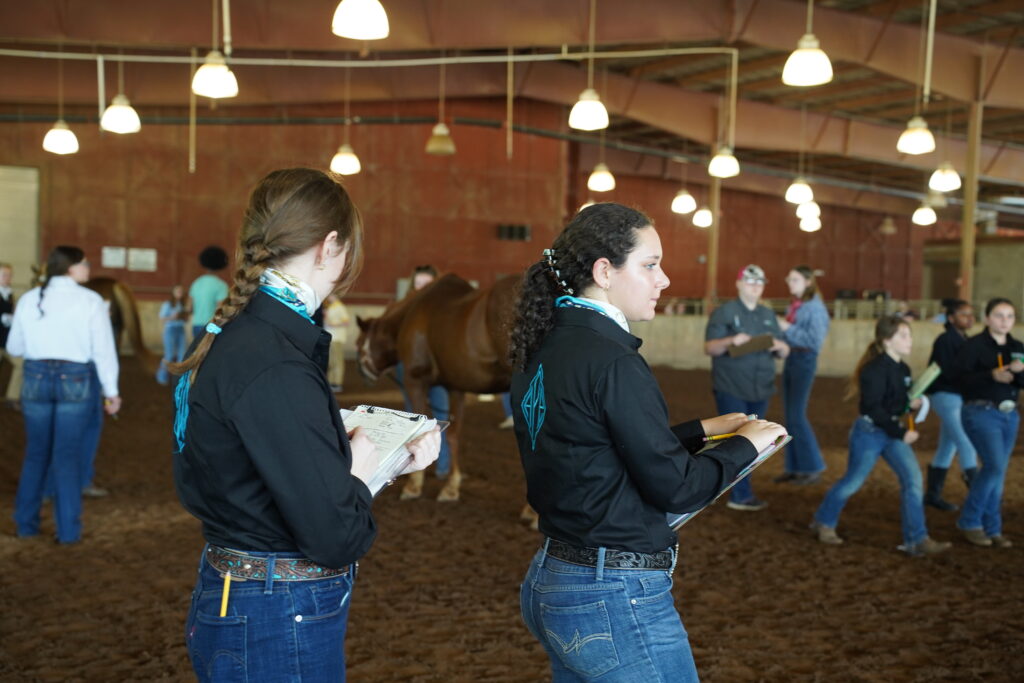
Georgia 4-H adult and teen volunteers serve in a variety of programs and settings, including 1,745 adult volunteer chaperones at district and state 4-H events; 1,078 SAFE Coaches mentored youth in archery, hunting skills, pistol, rifle, and shotgun disciplines; 207 certified judging coaches instructed youth in Cotton Boll and Consumer Judging, Forest Judging, Horse Judging, Land Judging, Livestock Judging, and Poultry Judging; and 984 adult and teen volunteers were certified judges for 4-H Project Achievement competitions.
Experiences that range from summer camp to club participation are expanded due to volunteer support. In fact, 464 adult leaders dedicated a full week of time to chaperone at summer camp and 403 local 4-H clubs were enabled due to volunteer leadership.
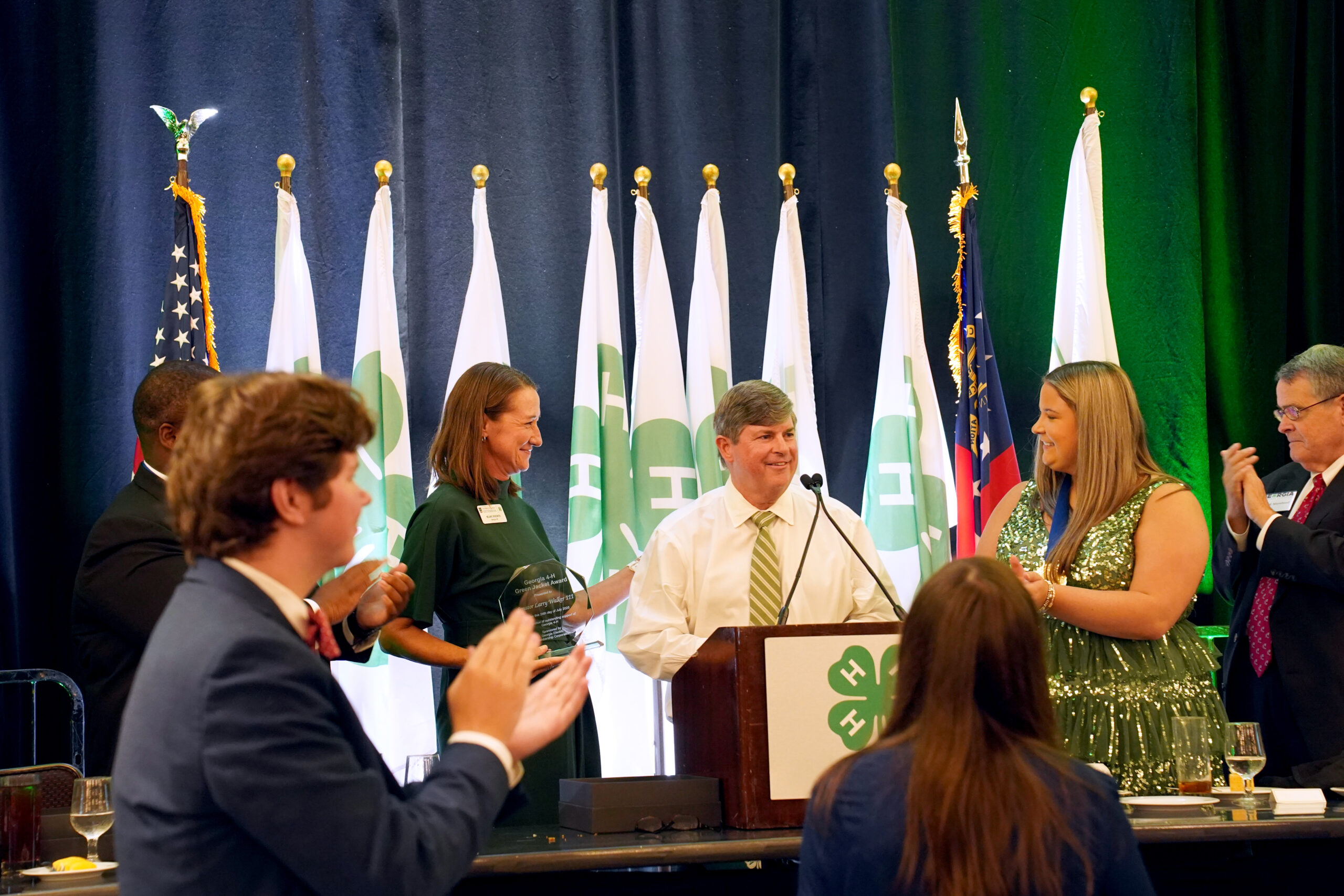
To celebrate outstanding volunteerism, Georgia 4-H honored Mark Braddy of Jefferson County with the 2025 Georgia 4-H Outstanding Lifetime Volunteer Award and Clinton Folsom of Cook County with the 2025 Georgia 4-H Volunteer of the Year Award during the annual 4-H Salute to Excellence ceremony.
Mark Braddy has volunteered with the Southeast District of Extension and Jefferson County 4-H for more than 35 years! Serving as a Southeast District 4-H Youth Board Advisor since 2003. He has made a lasting impact on numerous youth as he has mentored them to become strong leaders. Braddy’s dedication and commitment to Georgia 4-H programming is commendable.
Clinton Folsom, Georgia 4-H Volunteer of the Year from Cook County, has served in a variety of ways, including but not limited to SAFE BB coach, score runner for 4-H Forestry Field Day, and member of the Cook County 4-H Program Development Team. Folsom has made measurable and lasting impacts in Cook County in a short time. Through his service, the Cook County 4-H volunteer-driven Target Sports program has not only grown but also produced state and national youth competitors.
Braddy and Folsom represent a segment of the dedication and specialized talents that volunteers generously offer to increase the impact on Georgia’s youth and population. This week we salute all Extension Volunteers and thank them for their service.