


Georgia 4-H Dress Guidance
Georgia 4-H Dress Guidance
The Georgia 4-H Dress Guidance is designed to foster a positive learning environment and ensure clothing is appropriate for the designated activity.
General Guidelines
General Appearance: Clothing should be neat, clean, and free of holes including jeans and pants.
Coverage: Clothing must provide full coverage of the torso, midriff, and backside at all times. Both tops and bottoms must be worn to ensure that bare skin is not exposed in these areas and that all undergarments are completely concealed.
Length & Movement: Shorts, skirts, skorts, and dresses must be at least mid-thigh length. These garments must provide consistent, full coverage through all ranges of motion, including standing, sitting, and bending
Footwear: Shoes must be worn at all times.
At 4-H Camp: Shoes with backstraps are required.
Headwear: Hats and headwear are permitted when appropriate for the specific activity or venue.
Prohibited Items:
• Clothing advertising alcohol/tobacco or anything violating the 4-H Code of Conduct.
• Pajamas outside of sleeping areas.
• Tube tops or backless tops
• Spaghetti straps, halter tops, or strapless
• Formal Exception: Spaghetti straps and strapless dresses are only permitted during formal banquet events.
Dress Categories
Casual
• T-shirts, shirts without collars or sleeves
• Shorts, skirts, skorts
• Jeans/pants
• Tennis shoes or sandals
Example of Casual Dress: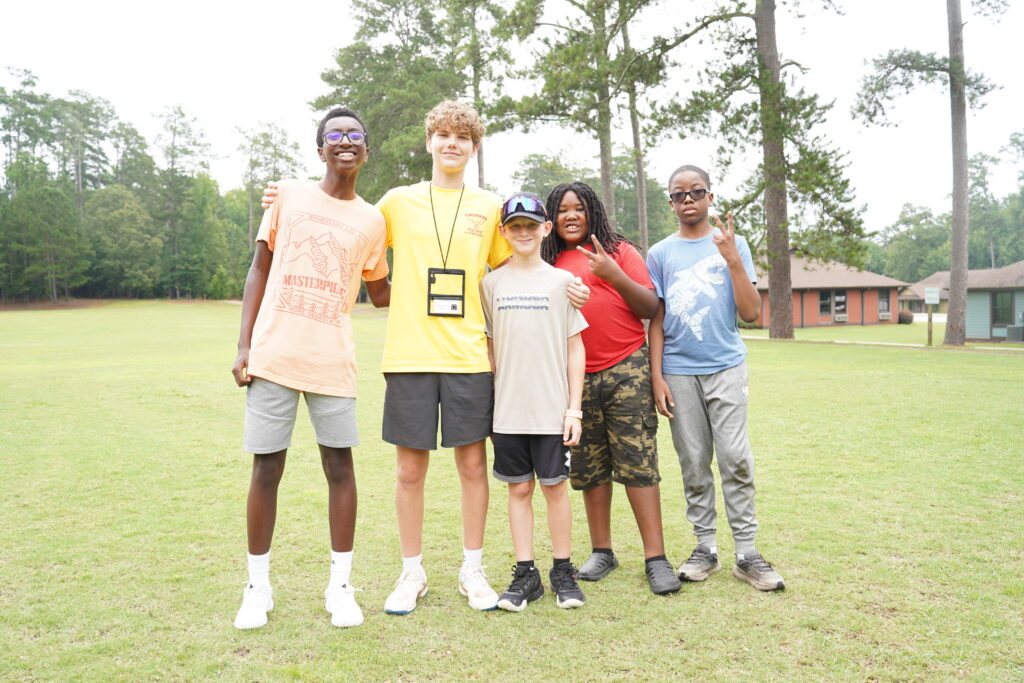
Business Casual
• Bottoms: Slacks, pants, capris, skirts, or clean/pressed denim.
• Tops: Polos or shirts with collars and sleeves.
• Footwear: Flats, low-heeled shoes, boots, or appropriate tennis shoes.
• Not Allowed: Shorts, T-shirts, flip-flops, or baseball caps.
Example of Business Casual Dress:
Professional
• Attire: Suit Jackets, dress pants, skirts, dresses, and collared/dress shirts or blouses. Ties are optional.
• Footwear: Dress shoes or appropriate sandals.
• Not Allowed: Denim, tennis shoes, flip-flops, or hats.
Examples of Professional Dress:


Formal
• Attire: Suits with ties; formal dresses or gowns.
• Dresses: Strapless, halter, or spaghetti straps are acceptable for formal/banquet attire only. Dresses may not be backless, low-cut, or have exposed midriffs or high slits.
• Footwear: Dress shoes or appropriate sandals.
Example of Formal Dress:
Event Administration
• Event-Specific Rules: Many major events (Summer Camp, State Council, State Congress) have specific dress codes; participants should review those unique guidelines prior to the event.
• Final Authority: Event leaders have the final decision in determining if apparel is appropriate.
• Modifications: Leaders may require individuals to modify their clothing selection if these guidelines are not met.
Quick Tips for Success
• Check the Event: Major events like State Congress or Summer Camp often have their own specific lists. Check your registration packet!
• When in Doubt: Bring a “backup” outfit. If a leader asks you to modify your clothing, you’ll be ready.
• Formal Exception: Spaghetti straps and strapless dresses are only permitted during formal banquet events.



The University of Georgia College of Agricultural and Environmental Sciences (working cooperatively with Fort Valley State University, the U.S. Department of Agriculture, and the counties of Georgia) offers its educational programs, assistance, and materials to all people without regard to race, color, religion, sex, national origin, disability, gender identity, sexual orientation or protected veteran status and is an Equal Opportunity, Affirmative Action organization.