<%@LANGUAGE="JAVASCRIPT" CODEPAGE="1252"%> Georgia 4-H
Georgia4H.org
Search Georgia 4-H


Georgia 4-H Environmental Education
Celebrating 30 Years of Excellence: 1979 -2009

Learn more - click here to watch a 6 min. video of Georgia 4-H EE in action!

From the Mountains to the Sea, there is a Georgia 4-H Center for You!

bellboy with snakekids seiningkids learningboys in canoe

Georgia 4-H EE Program Overview

Georgia 4-H EE and the 3 R's: rigor, relevance, and relationships

2010 Calendar of Special Events

Georgia 4-H EE At a Glance

Work for Georgia 4-H EE

GPS and NSES Correlations

Georgia 4-H Centers & Contact Info

Statewide Georgia 4-H EE Contact Info

Georgia 4-H EE Info for Extension Staff(password protected)


Georgia 4-H EE Program Overview

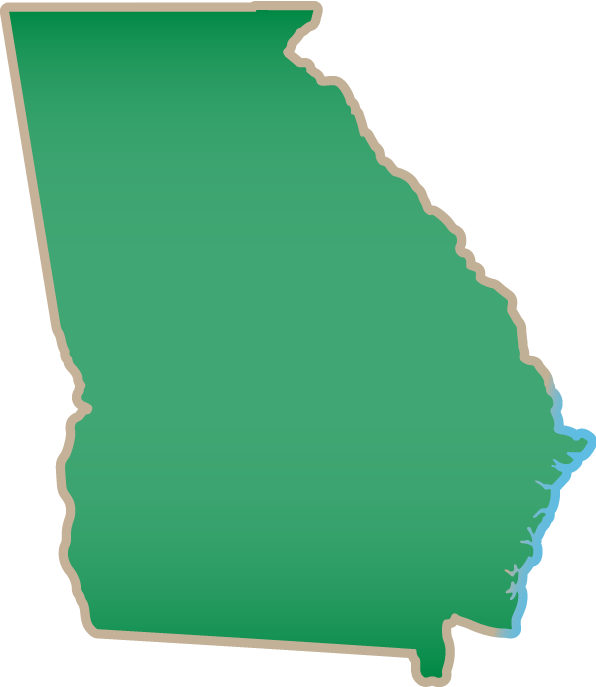
 *click on any center on the map to visit their website

*click here to download a PDF flyer about GA 4-H EE

As one of the nation's largest providers of residential environmental education, the Georgia 4-H Environmental Education Program invites you & your students to join the safe haven of Georgia's outdoor classroom. Operating September through May of each year, our five 4-H Centers provide opportunities throughout the state for high-quality day and residential educational experiences. Our research-based curriculum correlates to Georgia Performance Standards, providing hands-on learning in the context of the real world. The Georgia 4-H Environmental Education Program is operated by the University of Georgia, College of Agricultural and Environmental Sciences, Cooperative Extension and is proud to serve as a partner in education with public, private, and homeschool groups across the Southeast.
As of the spring of 2009, our program has served over 800,000 participants since its inception in 1979!

top of page

jekyll bannerwahsega bannerburton banner
Meeting the 3 R's: rigor, relevance, relationships

Read what a few teachers have shared with us about the value of our EE Programs and how it related to the 3 R's of rigor, relevance, and relationships:

  • I see a correlation between some of the questions on the CRCT and some of the information that we’ve learned in the [Georgia 4-H EE] classes. Like I know 5th grade CRCT asks about barrier islands and so if the information is correlated with the state standards and a lot of that is showing up on the CRCT and that correlation is essential for me to validate bringing the students to participate in the programs.

  • We put them in different groups for their cabins, we put them in different groups for their daily activities. So they get to know everybody else, you know. And I just think they grow a lot as a grade, as a cohesive grade, they kind of have more bonding and they just can have a respect for each other in a different way. They shine in different ways and it comes out more here than it does in a traditional classroom.

  • Our children have different levels of experience in nature but when you come here, that can really help them be in touch with that part of the world. People don’t help preserve things they don’t care about so later on as adults if they develop some level of caring for the earth, not just from learning in a book or watching a video but being here, smelling it and hearing the birds, touching. That’s going to be a positive thing for the earth that they’ll care about it and also coming to learn a little bit about how things are connected. You know, they are connected with their friends, all these relationships, they get improved here. But also their connected to the earth.

  • Here [at a Georgia 4-H Center] we have so much more and we obviously talk about the environment throughout the year—it’s importance particularly when we are discussing science. That comes up ...in herpetology ..., obviously the [instructors] are so knowledgeable but really hitting on a lot of those specific terms as we do have GA standards and knowing those exact vocab things that they definitely wouldn’t have been exposed to. Just seeing this preserved and this is important. This is something they don’t have in their neighborhoods.


2010 Calendar of Special Events

February 14-17 - Homeschool Days at Burton 4-H Center
*click here for registration information

March 20-21 - Military Days at Rock Eagle 4-H Center
*more information coming soon!

April 5-6 - Homeschool Days at Fortson 4-H Center
*click here for registration information

April 12-13 - Homeschool Days at Rock Eagle 4-H Center
*click here for registration information

April 14-16 - Homeschool Days at Wahsega 4-H Center
*click here for registration information

April 18-21 - Homeschool Days at Burton 4-H Center
*click here for more information

October 6 - National Youth Science Day
*Georgia specific information will be updated at www.georgia4h.org/set

November 20 - 2nd annual Art at the Rock

top of page

boardwalk


Georgia 4-H Environmental Education at a Glance


N
aturally gets students outside and connected with the environment
A
ligned with the current state curriculum standards
T
aught by well-trained and college educated instructors
U
ses the outdoors as a classroom without walls
R
eaches students through physical & active classes up to 8 hrs/day
E
xcellence: a tradition since 1979

top of page


Work for Georgia 4-H
Environmental Education

Work for the Georgia 4-H Environmental Education Program and inspire young
people through experiential outdoor learning
at one of the largest environmental education programs in the nation. With five 4-H centers located from the mountains to the sea, the University of Georgia has an exciting career opportunity for you.

Click here to download an employment flyer
(PDF) including application instructions!


top of page


Georgia 4-H Environmental Education Program Correlations to GPS

The Georgia 4-H Environmental Education is open to all students grades K-12. All of our programs complement the Georgia Performance Standards. While our primary focus is science, the programs also complement math, social studies, and language arts. We strive to keep our GPS correlations current and up to date. We are also adding grade levels and subject areas as we align them with our programs. Please contact us directly for specific questions or if you are unable to find what you need. For the GPS correlations for classes taught at each of the five 4-H Centers,
click on the links below.

Georgia 4-H EE: National Science Education Standards Correlations

Wahsega 4-H Center GPS Correlations: K-2, 3-5, 6-8, 9-12

Fortson 4-H Center GPS Correlations: K-2, 3-5, 6-8, 9-12

Rock Eagle 4-H Center GPS Correlations: K-2, 3-5, 6-8, 9-12

Burton 4-H Center GPS Correlations: K-2, 3-5, 6-8, 9-12

Jekyll Island 4-H Center GPS Correlations: K-2, 3-5, 6-8, 9-12

top of page


Individual 4-H Center Contacts:


Wahsega 4-H Center, Dahlonega
www.wahsega4h.org, 706.864.2050
Director: Travis Williams, travisw@uga.edu
EE Coordinator: Jaclyn Holt, jaclynh@uga.edu


Fortson 4-H Center, Hampton
www.fortson4h.org
, 770.946.3276
Director: Susie Greer, sgreer4h@uga.edu
EE Coordinator: Sarah Hilger, srhilg@uga.edu


Rock Eagle 4-H Center, Eatonton
www.rockeagle4h.org, 706.484.2862
Director: Terri Camp, tcamp@uga.edu
EE Coord.: Matt Hammons, mhammons@uga.edu


Burton 4-H Center, Tybee Island
www.burton4h.org, 912.786.5534
Director: Paul Coote, paulc@uga.edu
EE Coordinator: David Weber, dweber@uga.edu


Jekyll Island 4-H Center, Jekyll Island
www.jekyll4h.org, 912.635.4117
Director: Donna Stewart, donnast@uga.edu
Asst. EE Coordinator: Richard Chewning, richrich@uga.edu


Tidelands Nature Center, Jekyll Island
www.tidelands4h.org, 912.635.5032
Coordinator: Dawn Zenkert, dz@uga.edu


top of page

For more Information on Georgia 4-H Environmental Education:

Melanie Biersmith
Extension 4-H Specialist / Statewide Coordinator for EE
706.484.2894
melmel@uga.edu

Georgia 4-H Environmental Education Information for Extension Staff
(password protected)


contact info

You can also visit www.georgia4h.org/set to learn about other 4-H SET
(science, engineering, and technology) programs offered by Georgia 4-H.

top of page


The University of Georgia and Ft. Valley State University, the U.S. Department of Agriculture and counties of the state cooperating. The Cooperative Extension Service offers educational programs, assistance and materials to all people without regard to race, color, national origin, age, sex or disability. An equal opportunity/affirmative action organization committed to a diverse work force.